
Researching Laurel County Historic Newspapers
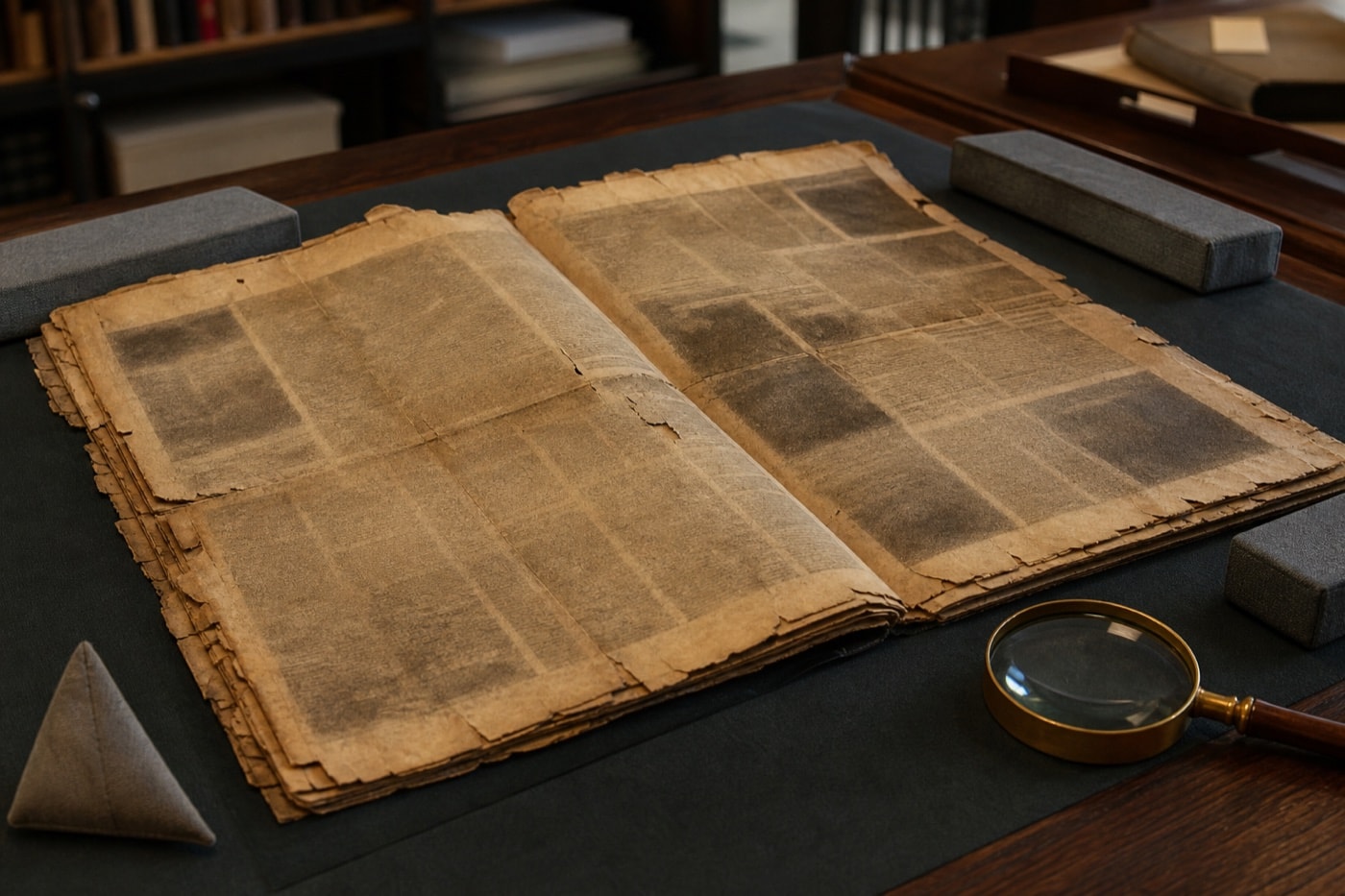
A free genealogy site now has the historic London newspapers available on its website for browsing. Prior to the pandemic, these digital images were only available at family-history libraries or affiliate libraries. This made researching impractical because of the amount of time spent browsing. These images are not indexed, so there is no way to search on a name. Research is conducted only by browsing the papers. It appears that the papers were first microfilmed in 1956 by the University of Kentucky. At some point later, these films were digitized.
The Newspapers Available Are
- The London Sentinel, from June 13, 1907, volume 1, issue 1, through January 31, 1919.
- The Sentinel-Echo, from its February 6, 1919 name change through December 31, 1953.
- The Mountain Echo, incomplete, from October 3, 1873, volume 1, issue 4, through June 10, 1887.
- The Mountain Echo, January 27, 1888 through April 25, 1916.
How to access the papers
To access these papers from home, go to the free catalog. You may create an account and sign in, but you do not have to. On the home page, choose Search and then Catalog. In the place search, enter London, Laurel, Kentucky and select the matching United States, Kentucky, Laurel, London entry. On the results page, choose the newspaper line and then select a paper. The next screen presents a series of films. Choose the camera icon beside the paper you want. A camera with a key ordinarily means the film is locked and can only be viewed at a family-history library. At the time of the article, the London newspaper films were unlocked.
There was also a shortcut from the catalog’s film or fiche number search. The article directed readers to search by a specific catalog identifier.
Browsing the images
If you select The London Sentinel and then choose the camera icon for the date range you want, the actual images of the paper appear in chronological order. You may browse starting at image number one. Again, these images are not indexed and there are no finding aids. You simply have to browse. An image counter above the images lets you advance with the arrow or by typing a number in the counter and pressing enter.
Finding and saving an obituary
A good use of these images is to find obituaries. Find the correct film that encompasses your ancestor’s date of death and use a series of high and low numbers in the image counter to zero in on the issue after that date. I have found, for the first time, many obituaries in my family that were eloquently written and provided keen insight into their personalities.
Once a newspaper article of interest is found, you can download the whole page to your computer. After opening the image, photo software can crop it to the article of interest. I normally save the image using the name of the paper, date published, and article subject matter in the filename. I organize these into folders for family lines, people, and related subjects.
I am not aware of any other place where the London papers are digitized freely. I have been doing my family-history research for twenty-five years, and this is a sudden increase in easily accessible family history. I am finding a significant amount of history for the first time that my cousins appreciate greatly.
In addition, seeing history unfold as told in a weekly small-town newspaper is very interesting. Depending on the editor at the time, there may be more or less national news. Starting in 1917, the weekly national news cycle was momentous, and browsing these newspapers is a must for a history reader.